Heavy Metal, Progressive Metal, Alternative Metal
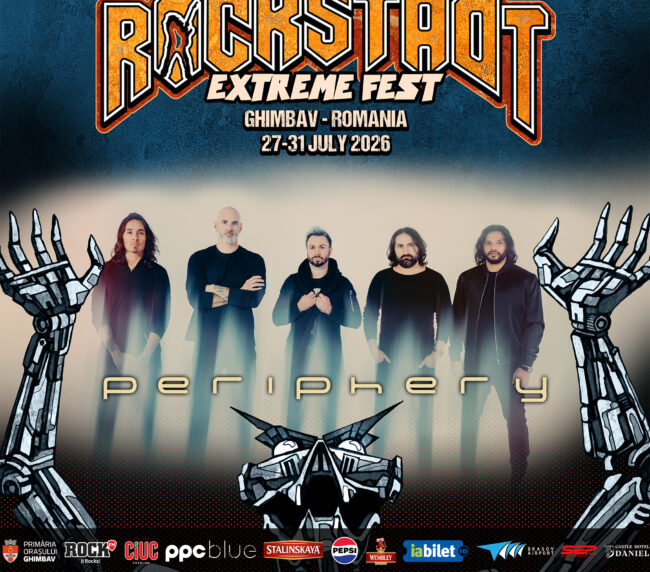
Periphery

Country: USA
Rome wasn’t built in a day, the world has never been less predictable, and “djent” is not a genre.
These are all undeniable truths that bind us together as we enter 2023. For genre-shifting
GRAMMY® Award-nominated progressive metal quintet Periphery – Misha Mansoor [guitar,
programming], Jake Bowen [guitar, programming], Matt Halpern [drums], Spencer Sotelo
[vocals], and Mark Holcomb [guitar] – creating the ravenously awaited follow up to 2019’s
critically-acclaimed Periphery IV: HAIL STAN [3DOT Recordings] was one of the most difficult
experiences it has weathered to date. It was a process that very nearly broke the band.
However, with Periphery V: Djent is Not a Genre, Periphery returns with an album that was not
only worth the wait, but sees the band nearing the pinnacle of its abilities.
“There were times where I didn’t know how this album would ever come out. I didn’t know how
I’d ever feel good about the album, and I’d rather quit the band than put out an album that I don’t
feel great about” Mansoor confesses. While Periphery IV took the band a year to write and
record – a period that was considered incredibly long for the group at the time – the writing
sessions for Periphery V began in earnest in the fall of 2020, making the gestation period for
this release the longest in Periphery’s near 17 year history by far.
It was a process fraught with logistical issues stemming from the pandemic, but also challenged
by the band’s increasingly high standards for themselves. Mark Holcomb explains “We would do
week-and-a-half writing retreats and then take two months away from the material before
revisiting it together. We really played by the rules with respect to Covid safety and travel and
because of that, we had an almost impractical amount of time to analyze the material between
sessions. Our standards are higher than ever, so we all pushed ourselves on this album much
harder than we ever have before. It was a hard process because we had to keep ourselves
honest to those standards.”
From Mansoor’s perspective, the creative challenges on Periphery V were also tied to avoiding
repeating past statements. Mansoor says “We ended up in a very difficult place where we had to
ask if we were retreading ground. I always say it’s very simple to make a Periphery record – the
only thing we need it to do is excite us. That hasn’t changed, but it’s gotten harder and harder
for us to make music that passes muster because we’re ultimately doing it for ourselves. At this
point, there’s no reason to make Periphery records other than to make music that we’re proud
of, and the stakes are higher because we’ve all grown as writers and players. Material that we
would’ve thought was great in the past isn’t cutting it anymore.”
However, the strongest steel is forged in the hottest fires and the strength of Periphery V is
unquestionable. With enough “time, stress, and suffering” as Mansoor says, the band found they
could solve any problem. Periphery V is an album that sees every sonic weapon in the group’s
vast arsenal honed, expanded, and seemingly mastered. The melodies that lace in-and-out of
the band’s trademark polyrhythmic churn boast sharper hooks than heard on past Periphery
releases. The record’s production, tones, and atmospherics are more textured and engrossing
than ever before. Every member of the band has seemingly brought a new spirit to their
performances. And yes, that intoxicatingly heavy rhythm guitar assault has leveled up as well.
Periphery V will satiate stalwart fans hoping for a familiar sound after so long away, but it’s also
an album made by a band that’s matured in its ability to cohesively blend the disparate elements
that have always made it so unique. There are wildly creative twists that speak of a band
bravely navigating the outer margins of its sound while progressing thoughtfully beyond the
expected. The album opens with a prime example with the track “Wildfire”, a song Mansoor and
Holcomb both expect to become a fan favorite and set staple, and a song that shifts from a
brutal and anthemic riff fest to a jazz-infused piano excursion – complete with a saucy sax solo
by Shining frontman and Haunted Shores contributor Jørgen Munkeby and underpinned by an
ultra contemporary electronic bed. The album also features a full-blown electro pop ballad
(“Silhouette”) that acts as a beautifully dynamic segue between sides, and guitar solos, like Jake
Bowen’s fleet-fingered outing in the middle of “Zagreus”, feel like a song-within-a-song and
should remind everyone exactly why Periphery’s trio of string stranglers are considered zenith
players among their generation and have repeatedly graced the covers and pages of every
important guitar magazine in the business.
The record also features a pair of tracks that could serve as the ultimate thesis statements for
what this band does at its best. “Atropos” and “Dracul Gras” find Periphery flexing their uncanny
ability to fuse soaring, triumphant melodies and crushing rhythmic ideas into single, fluid
journeys that often employs both concepts at once. While this has never been a band that’s
shied away from applying a cinematic scope to its music, with these songs, they’ve penned a
pair of masterworks that take the classic prog-metal tradition of songs with layers, with forward
motion, and with depth, and twist it into something entirely their own. And while both songs
boast heaps of this band’s typical jaw-dropping musicianship, the chops somehow take a
backseat to the songs as a whole – a testament to how much this band has matured as
songwriters.
Periphery V is certainly a album with a lot to process, but it’s one that ultimately feels like a
cohesive and direct statement. Mansoor says “The time away between retreats allowed these
things to be refined, which is something that’s become very, very important to us. If it isn’t
serving the song, we got rid of it. It might have been one of the coolest riffs in a song, but if it
wasn’t adding anything to the big picture, it got cut. We’re starting to get a lot more harsh about
that and trying to take a much more holistic view of the music we make. I think that leads to this
new level of refinement. That took a lot of time for us.”
The wait was long, the process arduous, but the results speak for themselves. Holcomb looks
back and ruminates, saying “There were real life challenges this time and I don’t want to
understate the impact that the pandemic has had on everybody. All of us in this band went
through some life-changing shit. Things were fully primed to knock us off course, so it feels
really good to look back and say ‘we got through this because of each other as a band – not
because of any one person heroically saving the day.’ We got through it by just having faith in
each other. We won the lottery in that sense with this band.”
Mansoor shares the sentiment, explaining “I’m really proud of the material and it was certainly a
labor of love and a tough album to make. The feeling that we were going to have to give up
because it kept taking so long was so overwhelming at times, that to not just overcome it, but to
feel so proud of this album has really galvanized us as a band in a way that I don’t think any
other experience could have.”